Professional Fence Installation Services for Residential & Commercial Properties
Tailored fence installation services play a critical role in enhancing both residential and commercial properties. They deliver security, privacy, and curb appeal while establishing clear property boundaries. With various materials available, homeowners and business owners can find options that meet their requirements. Professional installation guarantees compliance with local codes. However, the benefits extend beyond mere installation—learning how to pick the ideal design and material can have a major effect on the property's value. Which factors should property owners evaluate when making these selections?
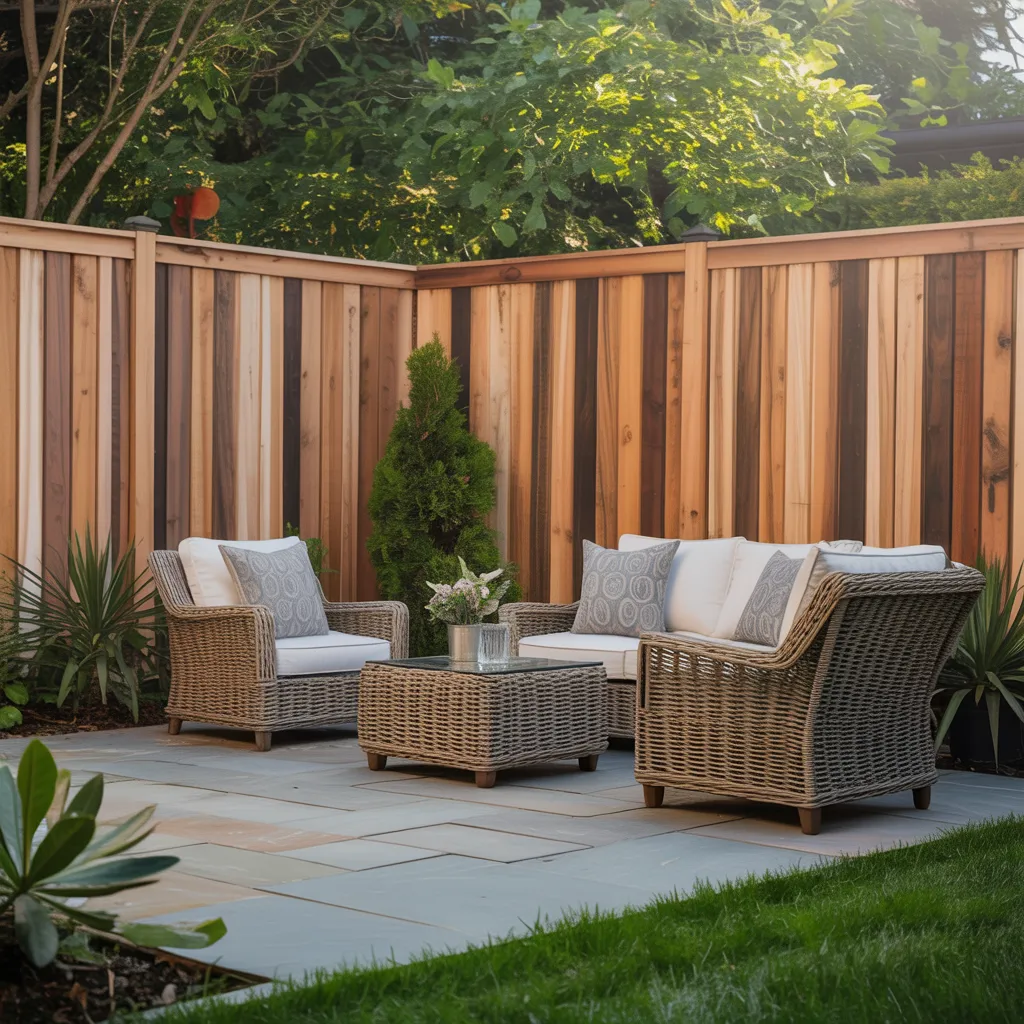
The Importance of Custom Fences for Your Property
When thinking about home improvements, many homeowners find that custom fences are more than just a visual decision but an essential investment. Custom fences provide various benefits that extend beyond appearance. They strengthen protection by creating a physical barrier that discourages trespassers and safeguards children and animals. Moreover, these fences offer privacy, enabling homeowners to experience their outdoor spaces free from unwanted observation.
In addition, customized fences can delineate boundary lines, reducing disagreements with neighbors and securing alignment with local zoning requirements. They further add to the total value of the property, rendering it more desirable to future purchasers.
Regarding functionality, custom fences are able to be crafted to meet specific needs, such as entry gates for seamless access or additions that complement the surrounding landscape. When all is considered, committing to a custom fence stands as a sound decision that offers numerous benefits, improving both the practical value of the property and the property's visual charm.
A Comparison of Popular Fencing Materials: Wood, Vinyl, and Metal
When considering fencing options, metal, wood, and vinyl each present unique benefits and drawbacks. Cost comparisons show notable distinctions in initial expenses and long-term upkeep costs. Understanding these factors can help property owners arrive at knowledgeable decisions aligned with their individual requirements.
Pros And Cons
Multiple fencing materials, including wood, vinyl, and metal, all present distinct advantages and disadvantages that can influence a homeowner's selection. Wood is frequently chosen for its natural aesthetic and versatility but demands consistent upkeep to prevent decay and pests. Vinyl, alternatively, is low-maintenance and resistant to fading and pests, rendering it a reliable long-lasting choice; however, it might not capture the classic charm of wood. Metal fencing, such as aluminum or wrought iron, provides strong security and longevity but may come at a higher cost and may require occasional maintenance to prevent rust. All materials display their own attributes, empowering homeowners to assess their unique demands and preferences when determining the best fencing alternative.
Price Comparisons
While homeowners often prioritize visual appeal and usability when selecting fencing materials, pricing remains an essential consideration in the evaluation process. Wood fencing typically presents a more affordable upfront cost yet demands regular upkeep, which can increase long-term expenses. Conversely, vinyl options, though more expensive initially, offer durability and minimal upkeep, rendering them a financially smart selection over the years. Metal fence varieties, including aluminum and steel, typically comes with a greater upfront investment but is renowned for its longevity and resistance to weather-related damage, thereby reducing future repair costs. Ultimately, the total cost of ownership—factoring installation, maintenance, and lifespan—must help residents when determining the ideal fence material for their residential or commercial properties.
Selecting the Best Fence Design for Your Yard
Selecting the best fence option for a yard can significantly improve both the aesthetics and functionality of a property. Homeowners and property owners must consider multiple elements when choosing a style, including the primary function of the fence, regional guidelines, and the architectural style of the property. Fences designed for privacy, for one thing, are ideal for building secluded outdoor environments, while classic picket-style fences often improve curb appeal and provide a charming aesthetic.
Material selection plays a considerable role as well; wood offers a traditional look, while vinyl or metal can provide durability and low maintenance. Additionally, colors and styles should complement the surrounding landscape and existing structures. At the end of the day, a well-chosen fence design not only marks boundaries but also adds to the overall character of the property, making careful consideration vital for reaching the intended results.
The Benefits of Choosing Professional Fence Installation
Choosing expert fence installation ensures that the job is executed with knowledge and thoroughness. Professional fencing specialists have the needed proficiency and experience to address the complexities of diverse fencing materials and configurations. They are knowledgeable about area-specific building codes and zoning guidelines, guaranteeing adherence and preventing possible legal complications.
Furthermore, employing professionals typically results in a more efficient installation process, as they have access to advanced equipment and materials. This efficiency not only saves time but also reduces interference to the client's daily schedule. In addition, experienced professionals can deliver expert advice and tailored solutions designed for the specific needs of the home, boosting client satisfaction.
Finally,opting for professional installation typically offers service warranties, giving assurance about the strength and lifespan of the fence. In summary, choosing professional fence installation is a sound choice for residential and commercial properties alike, delivering a superior outcome.
In What Ways Does Custom Fencing Improve Security?
Custom fencing plays a crucial role in improving security across both residential and commercial properties. By creating a solid physical barrier, it helps prevent trespassers and unauthorized individuals from gaining access. Custom fence height, material selection, and design can all be adapted to satisfy specific security demands, making it challenging for intruders to scale or breach.
Additionally, many personalized fence installations can be combined with advanced security features, such as access points outfitted with surveillance cameras, motion sensors, or locks, offering an additional layer of protection. The visibility of a expertly crafted fence can likewise serve as a visual deterrent, leaving properties unappealing marks for illegal activities.
In addition, custom fencing is able to be engineered to limit visibility onto the premises, minimizing the intelligence that would-be intruders may collect. Ultimately, opting for custom fencing substantially elevates the security framework of any property, guaranteeing confidence and comfort for property owners and occupants.
Boosting Curb Appeal With Custom Fencing
A well-designed fence can significantly enhance the visual appeal of a property, instantly transforming its exterior. Tailored fencing choices offer a diverse array of materials, styles, and finishes that can enhance the design elements of a residential or commercial property. Whether opting for a traditional picket-style barrier, a clean minimalist look, or a traditional wooden structure, the right choice can improve the entire appearance.
Additionally, custom fences can be tailored to fit unique landscapes, creating a smooth blend with garden areas and exterior spaces. Through the addition of decorative elements, such as decorative lattice or post caps, landowners can deeply personalize their fence installation, turning it into a focal point.
The aesthetic appeal of a custom fence not only draws attention but also reflects the homeowner's taste and dedication to detail, effectively establishing a warm and appealing atmosphere for both guests and those passing by.
Budgeting for Your Custom Fence Project
Planning the finances for a custom fencing project necessitates a thorough assessment of both starting costs and unexpected expenses. Setting a realistic budget is essential to avoid financial strain, since unforeseen costs may emerge throughout the installation process. Understanding these factors can help homeowners make informed decisions and achieve their fencing goals within their financial constraints.
Creating a Realistic Budget
Creating a reasonable budget is vital for anyone considering a fence installation project. Property owners of all kinds must start by examining their needs and priorities, including the style of materials, layout, and overall scope of the fence. Researching local costs for materials and labor helps establish a baseline budget. Additionally, it is vital to account for potential variations in pricing based on factors such as location and complexity of installation. Allocating a reserve fund for unforeseen costs can offer valuable financial security. By carefully examining each of these elements, homeowners can build a detailed budget that matches their vision without exceeding their financial limits, ultimately leading to a more successful fencing project.
Hidden Expenses to Keep in Mind
What hidden costs could surface during a custom fence installation project? Homeowners should prepare for several potential hidden costs. First, site preparation may require additional grading or clearing, especially in uneven terrains. Permit fees may also come as a surprise, since local regulations frequently require permits for fence installation. Additionally, when the existing terrain features obstructions like roots or boulders, removal costs can increase significantly. Additionally, homeowners might face unexpected labor costs if the project encounters delays or complications. After installation, maintenance expenses, such as staining or repairs, should be factored into the overall budget. By factoring in these unforeseen costs, property owners can establish a more realistic financial plan for their custom fencing project.
Maintenance Advice for Long-Lasting Custom Fences
While custom fencing relevant information can improve the visual appeal and safety of a property, regular upkeep is essential to ensure their durability. Periodic inspections are essential; residents should examine for evidence of wear, like fractures or rotting, particularly in wooden fences. Regularly cleaning the fence aids in eliminating dirt and buildup that may lead to degradation. When it comes to wooden fences, using a sealant or weather-resistant stain every couple of years can guard against moisture damage and sun-related deterioration.
Steel fences, in contrast, need to be assessed for rust and corrosion. Using a rust-preventive coating can considerably increase their longevity. Moreover, confirming that plants do not grow onto the fence can avoid moisture accumulation and harm. Lastly, prompt repairs of any issues can avoid greater complications later on. By adhering to these upkeep guidelines, homeowners can guarantee their specially designed fences maintain both their utility and visual appeal for many years ahead.

Frequently Asked Questions
How Long Does the Custom Fence Installation Process Typically Take?
The process of custom fence installation generally requires one to three days, depending on factors such as the overall size of the property, materials used, and current weather conditions. Schedules may change according to the unique requirements and complexities of each project.
Is It Possible to Install a Custom Fence in the Winter Months?
Certainly, setting up a tailored fence over the course of wintertime is feasible. Even so, the procedure may involve obstacles as a result of frozen soil and harsh weather, likely increasing the duration of the installation and demanding specific tools for best results.
What Permits Are Required for Custom Fence Installation?
In most cases, a regional permit is necessary for installing a custom fence, as well as possible zoning requirements. Homeowners ought to contact their local government for specific regulations, making sure they meet design, height, and placement regulations before beginning the project.
Do Warranty Options Exist for Custom Fences?
A number of companies include warranty coverage for custom fences, typically covering materials and workmanship. The length and conditions vary, so it's advisable for customers to request information on specific warranty details before moving forward with the installation.
How Do I Choose a Fence Contractor for My Project?
To choose a fence professional, one should explore local choices, read reviews, confirm licenses and insurance, ask for comprehensive estimates, and assess previous work. Communication and professionalism during initial interactions also indicate trustworthiness and high standards of work.